KLOW Peptide Stack: KPV, GHK-Cu, BPC-157, TB-500
How can one vial hold four compounds?
A blue vial may look like one medicine. The KLOW stack still holds four separate compounds.
A common research vial has 80 milligrams total. That's GHK-Cu 50 milligrams, BPC-157 10 milligrams, TB-500 10 milligrams, and KPV 10 milligrams.
Mixing the four still doesn't create a new compound. Each acts and leaves your body at its own pace.
That means you need four sets of studies. There isn't one study of the stack.
One vial can fool your eye. You still can't know what each part does in you.
What does KLOW Stack mean, and what's in it?
KPV — the part studied for swelling, 10 milligrams
KPV comes from a hormone your body makes. A gland below your brain makes that hormone.
A carrier in the cell wall brings KPV into gut cells. Researchers used about 160 micromoles per liter. The figure tells you the amount mixed into the liquid.
KPV lowered several signs of swelling in cells. Two lowered proteins help drive swelling, and their names end in 6 and 8 [3].
GHK-Cu — the copper part, 50 milligrams
GHK-Cu carries copper in a 1:1 match. That means one copper part for each GHK-Cu part.
Scientists found GHK in human blood in 1973. GHK-Cu brings more copper than the other parts.
Skin cells made more collagen after GHK-Cu. The collagen fibers also joined together better.
A gene study counted changes of 50% or more [4][5]. Gene changes don't tell you what you'll feel.
BPC-157 — the blood-vessel part, 10 milligrams
BPC-157 is a small man-made peptide. It comes from one of the proteins in stomach juice.
In rats, the compound helped injured tissue grow fresh blood vessels. Tendon cells also became more open to growth hormone.
The compound changed how hurt tissue controlled blood flow. You don't need the lab codes to grasp that finding.
Most tests of this part used rats. A 2025 vein test involved two adults [6].
There's no approved human use. With only two adults, you still lack a safety answer.
TB-500 — the cell-moving part, 10 milligrams
TB-500 is a short man-made part of thymosin beta-4. The full protein is much longer.
TB-500 attaches to a cell protein that helps cells move. Full thymosin beta-4 also guides other repair work.
Those extra jobs haven't been shown for TB-500. Most wound studies [1][8][9] tested the full protein instead.
The world sports drug-testing body bans TB-500 and thymosin beta-4 [7]. An athlete can't treat that rule as a small detail.
For each part, you need to ask who was tested. Your body hasn't faced this four-part mix in a study.
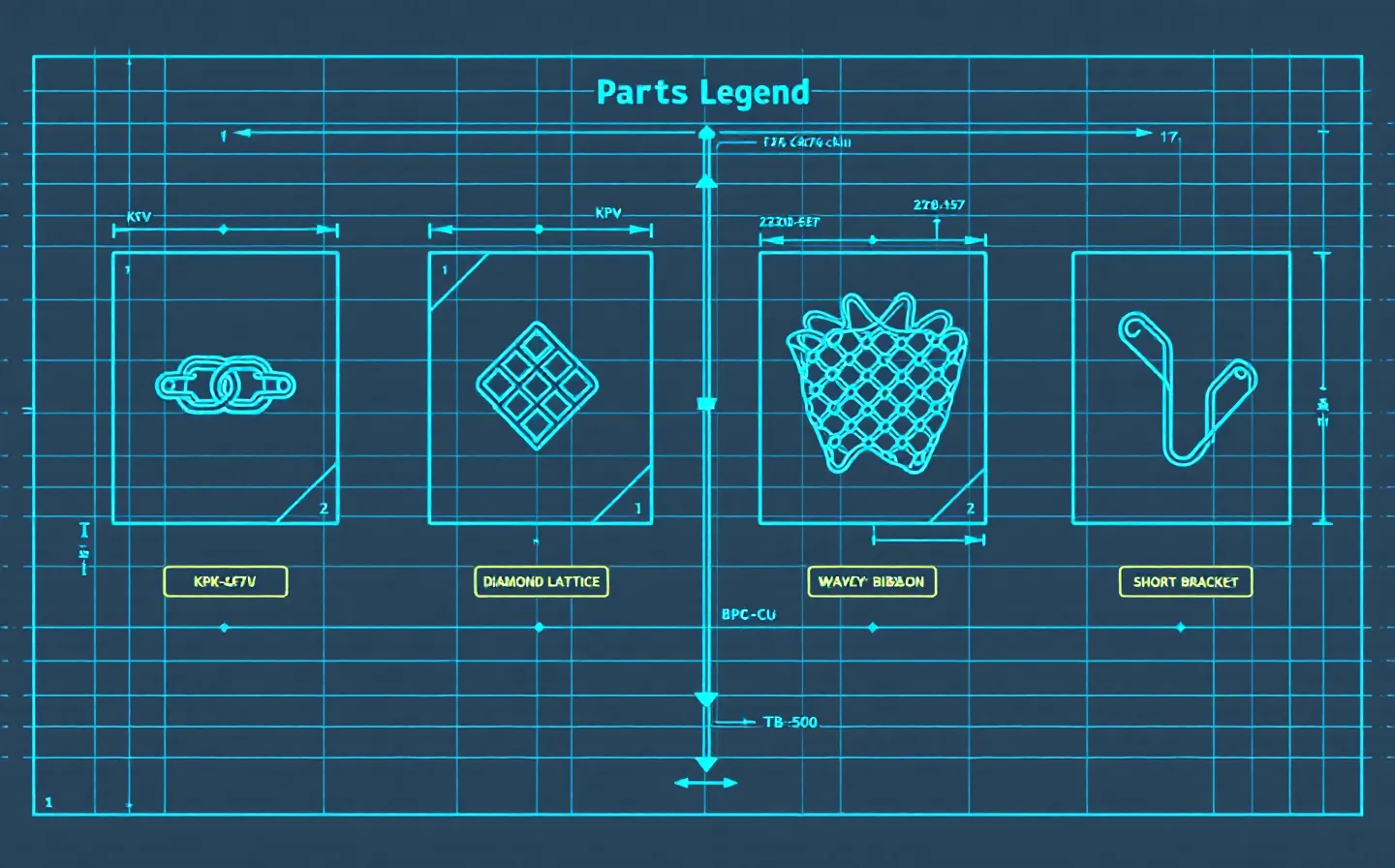
Why combine the klow stack?
Repair takes several kinds of work. Each part may cover one step:
- KPV may calm swelling.
- GHK-Cu may help collagen form and bring copper.
- BPC-157 may help fresh blood vessels grow.
- TB-500 and the full protein may help cells move.
A wound needs all four kinds of work. That's why the klow stack idea sounds sensible.
Still, a study hasn't tested the parts together. KPV and GHK-Cu also leave faster than BPC-157.
One amount can't keep them at equal levels. A sensible idea isn't proof.
The repair steps may fit your sore spot. You still can't know how the mixture acts in your tissue.
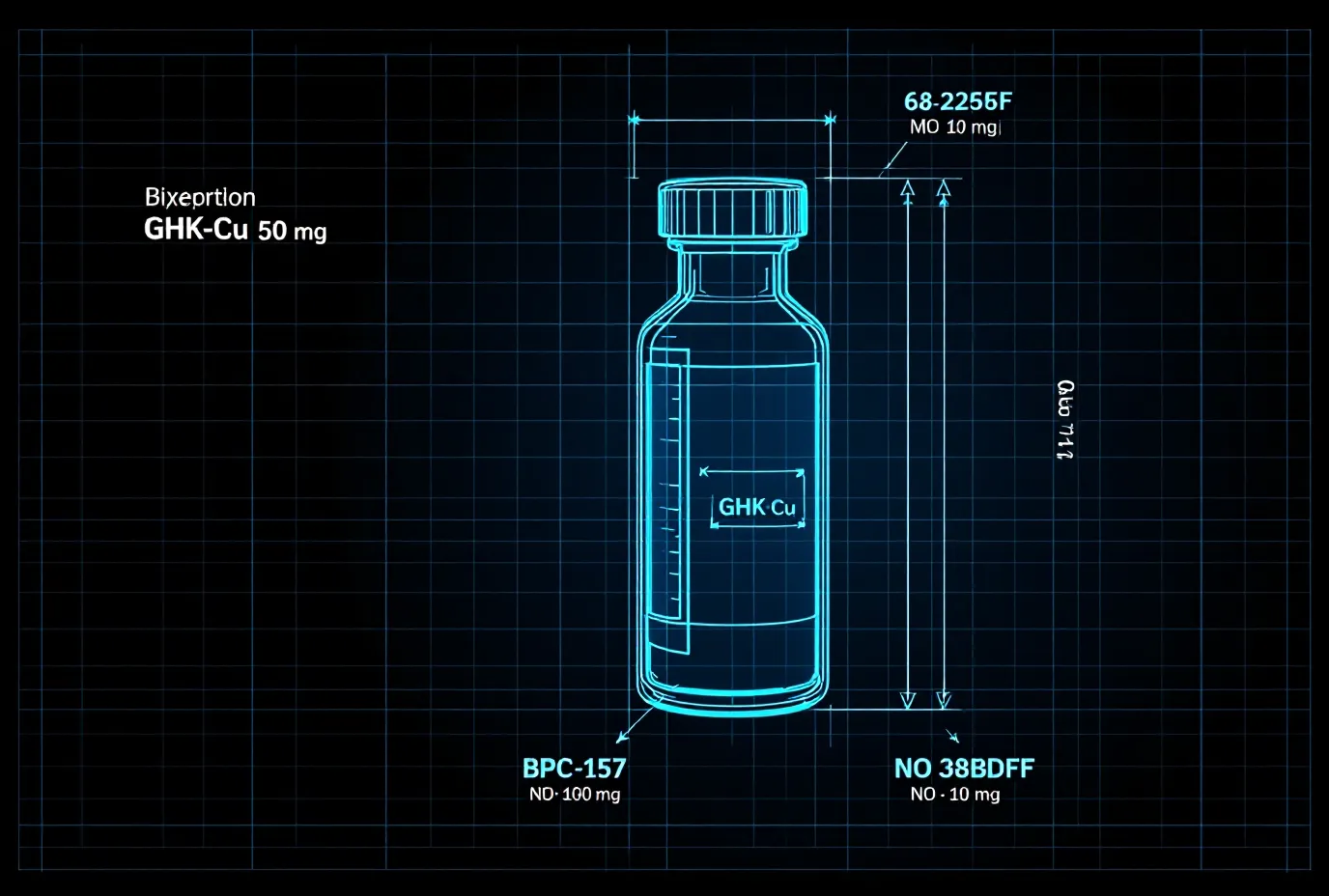
What's the KLOW vs glow difference?
GLOW has GHK-Cu, BPC-157, and TB-500. It doesn't have KPV.
KLOW adds KPV as the fourth part. A carrier in the cell wall brings KPV into gut cells.
Dish tests found fewer swelling signs after KPV [3]. That gives KLOW a clearer link to swelling research.
GLOW still has parts tied to collagen, blood vessels, and cell movement. Neither blend has faced a fair test.
Use your sore spot only as context. You don't have a trial that can predict your result.