KLOW Peptide Results: What Happened and to Whom
Which result is clearest?
New skin grew faster across rat wounds. That result came from the full thymosin protein, not its short piece or the blend.
KLOW results don't come from the four-part mix. Researchers looked at each KLOW stack part on its own.
The strongest numbers appear below. Each one names the animals, cells, or people tested.
You can see why researchers remain interested. The findings still don't predict your blend.
Study numbers are clues for your knee. They aren't a promise about your pain.
What do KLOW Results show when you name who was tested?
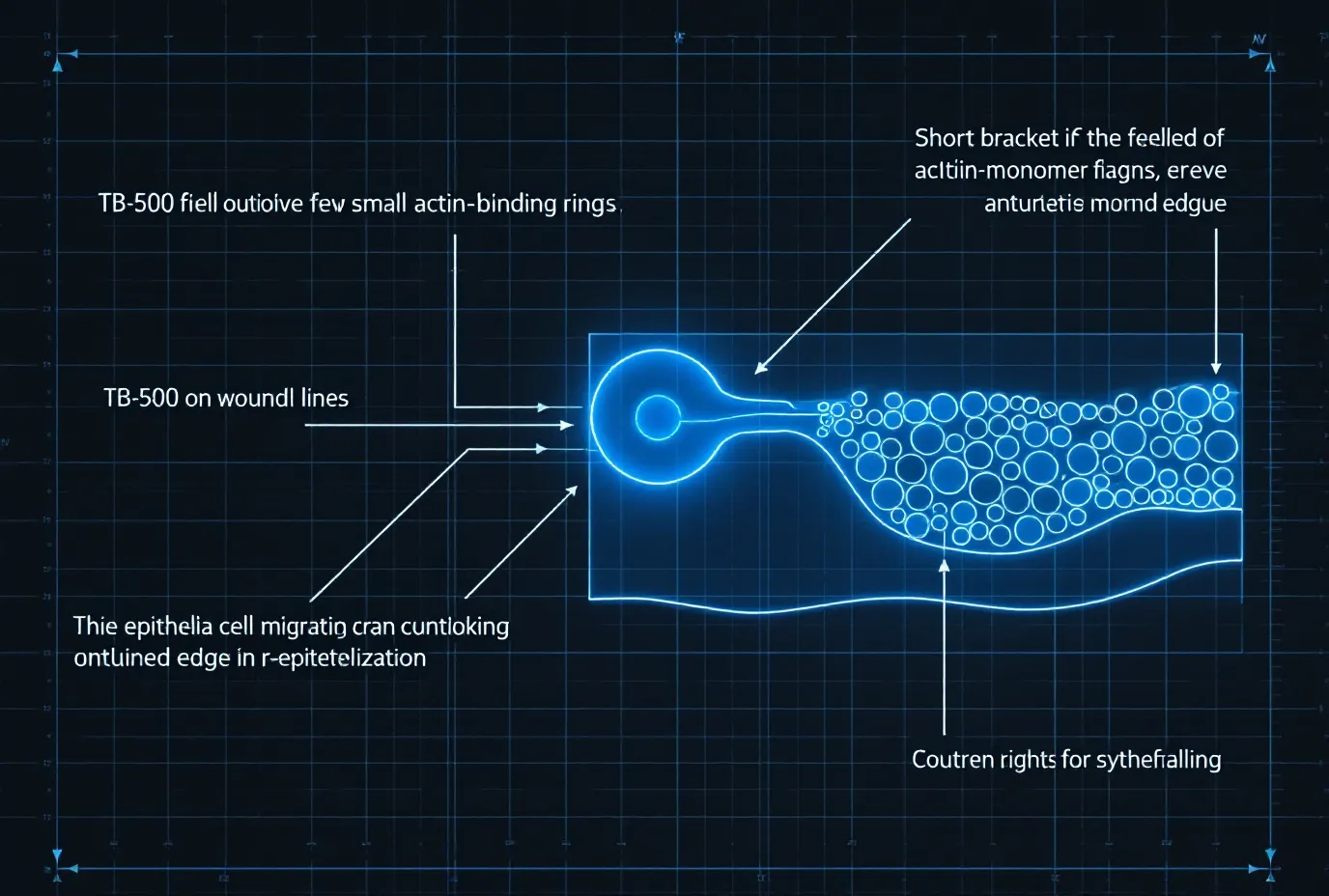
The clearest KLOW wound numbers came from full thymosin beta-4. That's a protein found in your body and related to TB-500.
- Rat wounds grew +42% more new surface skin after four days [1].
- Growth reached +61% after seven days [1].
- The wounds pulled +11% more closed by day seven [1].
- A dish used 10 picograms and skin cells moved two to three times farther [1].
- The wounds made more collagen and grew more blood vessels [1].
BPC-157 had a different set of findings. It mainly helped cut rat Achilles tendons.
- Tendons grew stronger, and rats walked better. Collagen lined up better at 10 micrograms, 10 nanograms, and 10 picograms per rat each day [2].
- Tendon cells grew outward in a dish at all three amounts [2].
- A first vein study involved 2 people. For you, that leaves safety unsettled.
They got 10 and 20 milligrams through a vein. Neither had bad events or blood-test changes [6].
GHK-Cu findings came from skin, blood, and genes. Some tests may seem closer to your case because people took part.
- Skin made more collagen in 70% of treated women. Vitamin C reached 50%, while a form of vitamin A used on skin reached 40% [4].
- At age 20, blood held about 200 nanograms per milliliter of GHK. By age 60, it held about 80 nanograms per milliliter [4].
- The gene study counted changes of 50% or more. The main changes involved support tissue, DNA repair, and cell cleanup [5].
- A trial followed 45 men with hair loss. Skin liquids held 100 milligrams per milliliter or 50 milligrams per milliliter, and both grew more hair than placebo over six months [11].
KPV findings came from cells and mice. They won't show what your own body does.
- At 10 nanomoles per liter, KPV lowered several swelling signs in gut and immune cells [3].
- Two lowered proteins help drive swelling. Their names end in 6 and 8.
- KPV gave mice less bowel swelling in two lab tests [3].
On the KLOW research page, you'll see how each test worked. You'll also see where each finding stops.
Keep your place by naming who was tested. A rat or cell result can't become your result.
Did any result come from the full blend?
Every number above belongs to one part. None came from a KLOW peptide blend trial.
The parts could help each other or get in each other's way. Their effects might also overlap in your body.
These klow results are the closest facts available. They still aren't full-blend results.
That limit keeps the claim honest for you. One part's finding isn't your result.
What did papers from 2024-2026 add?
Newer papers added more rat tests of BPC-157. They didn't test the full KLOW blend.
In 2026, an opening between a rat's windpipe and skin closed. BPC-157 also changed how that tissue controlled blood flow [14].
In 2025, BPC-157 cut liver, kidney, and lung harm. Those rats had sudden swelling of the pancreas [13].
A 2025 review discussed bowel, stomach, wound, and tendon claims for BPC-157. It also covered bone, muscle, brain, nerve, and heart claims [15].
A 2026 Sports Medicine review looked at TB-500, thymosin beta-4, and BPC-157. It found good animal results but few safety studies with people.
The review found no approval for these uses [7]. You have hope from animals, not proof in people.
For your next question, ask who took part. A rat remains different from you.